

DC's Bowling Crisis in IPL 2026: Rigid Spin Plans and Struggling Indian Seamers Expose Delhi Capitals
Three wins. Eight games. Seventh place. Delhi Capitals are staring down an early exit from IPL 2026 — and while the batting has had its fireworks, it's the bowling that keeps letting the side down when it matters most.
A Powerplay Problem Nobody Can Ignore
The headline number is brutal: DC have taken just 7 wickets in the powerplay all season — the joint-fewest in the entire tournament alongside Kolkata Knight Riders. Rajasthan Royals, by contrast, have 21. Jofra Archer alone has taken 14. When you can't threaten with the new ball, you're handing opponents a free platform before a single spin has been bowled — and DC have been doing exactly that, game after game.
The damage doesn't stop at the powerplay. Delhi have managed just 36 wickets across the season in total — again, joint-fewest in IPL 2026. A bowling attack that can't take wickets in clusters will always be chasing the game, and DC have found themselves doing exactly that far too often.
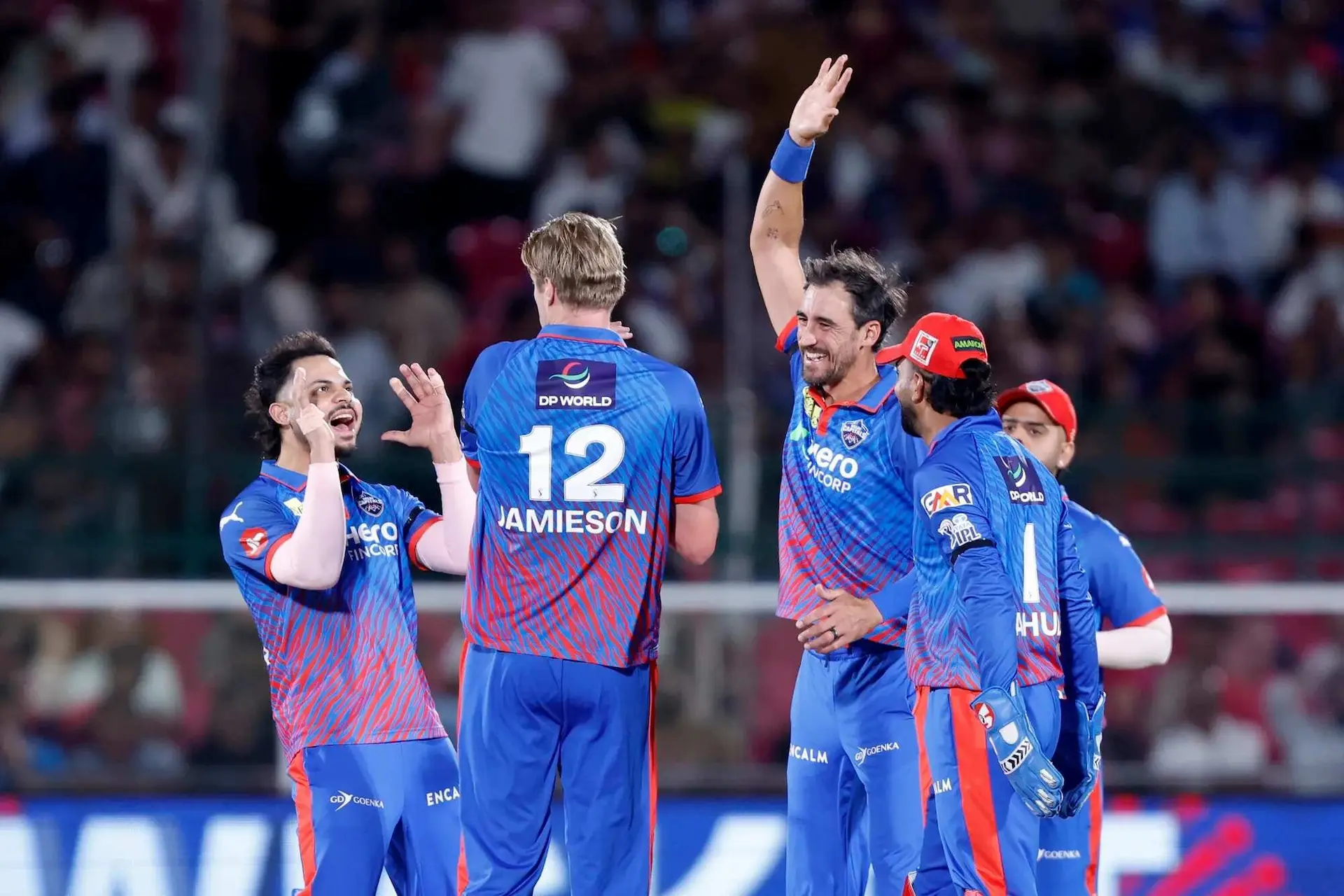
The Indian Seamers Have Been a Disaster
With Mitchell Starc sidelined since before the season began, the Indian seam pair of Mukesh Kumar and T. Natarajan were handed the keys to the attack. Neither has delivered.
Natarajan — bought for a whopping ₹10.75 crore off the back of 19 wickets for SRH in 2024 — has five wickets in nine matches, averaging well over 50. Mukesh Kumar mirrors that story almost exactly: five wickets in seven games, with a best of just 2/26. For an attack that was supposed to provide teeth alongside the spinners, these are figures that simply don't hold up in a playoff race.
The crisis deepened when Lungi Ngidi, arguably DC's most reliable quick and the only seamer averaging at a respectable level, suffered a severe injury. He's been out since, leaving a hole in the attack that nobody has adequately filled. DC are now bowling with structural gaps that opponents have learned to exploit.
The Spin Template Is Being Read
On paper, Delhi's spin axis of Kuldeep Yadav and Axar Patel should be one of the more dangerous combinations in the competition. Kuldeep was DC's leading wicket-taker last season with 15 scalps. Axar is one of the canniest captains and controllers in T20 cricket.
But in 2026, the spin plan has become dangerously predictable. Teams are coming in with pre-set blueprints to attack the DC spinners — and it's working. In the recent match against Rajasthan Royals, DC tried to manage Kuldeep's matchups in real time by holding him back, only for RR to read the move instantly, promoting Jadeja specifically to game the spin rotation. DC ended up forced to bowl Kuldeep at the death — exactly the scenario they were trying to avoid.
The middle overs have been equally costly. RR plundered 114 runs in that phase, including multiple overs of 18 or more — not the kind of figures a playoff-chasing side can absorb. Rigid plans without the flexibility to adapt mid-innings are costing DC dearly.
Starc Returns — But Is It Too Late?
Mitchell Starc's return from a three-month shoulder injury layoff is the one bright spot on the horizon. The left-armer's pace, shape and experience could genuinely reshape DC's attack — his presence alone forces batters into a different kind of problem at the top of the innings.
But rustiness is a real concern. Walking back into competitive T20 cricket after months away, against a Rajasthan Royals side featuring the terrifying opening pair of Yashasvi Jaiswal and 15-year-old Vaibhav Sooryavanshi (400 runs this season at a strike rate of 238), is not an easy re-entry. DC need Starc sharp from ball one — not finding his feet over the course of three or four matches.
The Bigger Problem: No Plan B
What connects all of these issues is a lack of adaptability. DC's bowling unit operates on a fixed template — Axar and Kuldeep hold the spin end, the Indian seamers support from the other, and the plan repeats regardless of what's happening in the match. Great bowling attacks adjust. They have surprises. They vary lengths, shuffle the order, and keep batters second-guessing.
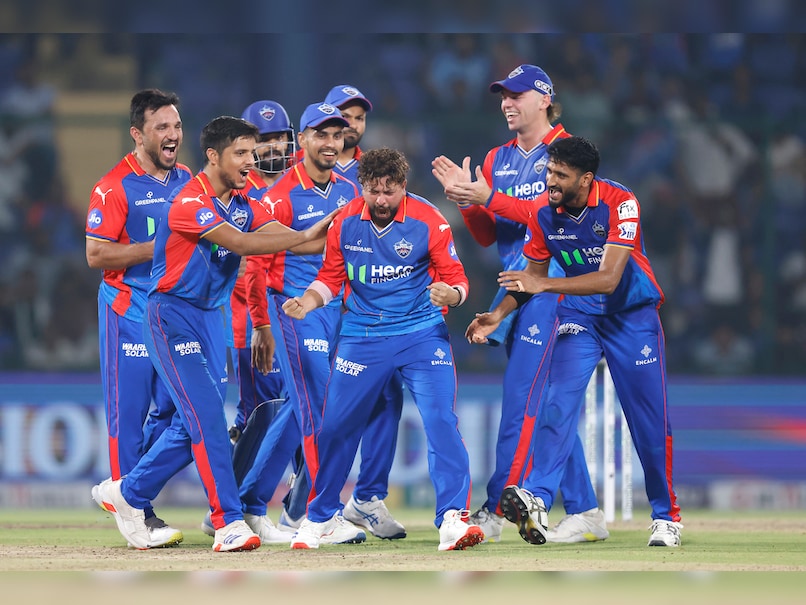
DC haven't done that enough in 2026. When Plan A gets cracked, there's been no Plan B waiting in the wings.
With the playoffs approaching and every remaining game a near must-win, Delhi Capitals need a bowling reset — not just fresh legs, but fresh thinking. The talent is there. Whether the plans are good enough is the real question.
The playoffs won't wait. And right now, neither will the woes.
Sportish | IPL 2026